
Do Dermal Fillers Really Help In Removing Wrinkles?

As you age, your skin naturally loses volume, causing wrinkles, fine lines, and a sunken appearance. Fortunately, facial fillers are a powerful tool in the fight against aging skin. With laser resurfacing, microneedling, and Botox,�dermal fillers�are designed to restore volume, reduce wrinkles, and rejuvenate your appearance. Unlike traditional volumizers, facial fillers are specifically formulated to target specific areas of your face. Whether struggling with thinned lips, deep creases around your mouth, or sunken cheeks, fillers can help you achieve a more youthful, revitalized appearance. But you might be wondering, how do fillers work in helping remove wrinkles?� Here, we’ll investigate the research behind dermal fillers to see if they are the miracle treatment they claim to be. Why Do We Develop Wrinkles? Wrinkles appear as a result of aging but also can be caused by other things. With age comes a loss of elasticity and skin thinning, which contribute to developing wrinkles. Wrinkles are often the result of years spent in the sun and making the same facial emotions repeatedly, like smiling or frowning. Collagen, a protein that gives our skin its structure, might be produced less as we age, which can also contribute to wrinkling. Environmental stresses, including pollution and ultraviolet radiation from the sun, contribute to the aging process and the body’s natural decline in collagen formation. It’s also worth noting that our genes have some bearing on whether or not we age gracefully. Wrinkles tend to run in families, so if your ancestors got them, you probably will too. Smoking, drinking too much alcohol, and not getting enough water are all lifestyle factors that can hasten the onset of wrinkles. So How Do Dermal Fillers Address Wrinkle Concerns? Dermal fillers can be thought of as a type of scaffolding for the skin, providing support and structure to areas that have become sunken or lost volume over time. Fillers work by physically filling in wrinkles, creases, and hollow regions, creating a more youthful and revitalized appearance. Just like scaffolding in construction, fillers are carefully placed into the skin to provide support and lift, helping to restore a more youthful contour. The materials used in fillers, such as hyaluronic acid or collagen, mimic the body’s natural substances, making them well-tolerated and safe for use. The effects of dermal fillers are temporary, lasting anywhere from several months to a year. However, the results can be customized to each individual’s needs, and touch-up treatments can be performed as needed to maintain the desired effect. Dermal fillers can treat more than just wrinkles and volume loss; they can also be utilized to improve the appearance of the lips, the shape of the cheekbones, and the definition of the jawline. How Effective Is It? The concept of dermal fillers acting like scaffolding for the skin is appealing, but the question remains, just how effective are they? While the idea is sound in theory, it’s the results and scientific backing that truly determine the efficacy of this cosmetic treatment. Dermal fillers, a non-surgical method of treating wrinkles and restoring facial volume, have steadily grown in favor over the years, with millions of individuals choosing them over surgical alternatives. Many patients report being quite pleased with the results of dermal filler procedures, which include a reduction in the visibility of fine lines and wrinkles. Dermal fillers have been the subject of extensive scientific research. In several scientific studies, fillers are an effective method for restoring facial volume and diminishing the look of wrinkles. Fillers, such as those made from hyaluronic acid or collagen, have been studied extensively and found safe and well-tolerated by patients. So does it work? In a short and simple answer, yes! Plus, it’s very effective too.� Dermal Filler Procedures Dermal filler injections are a non-surgical cosmetic technique that can help smooth out small lines and wrinkles and restore volume to the face. Sagging or depressed skin regions can be rejuvenated with this treatment by injecting them with a specifically prepared material like hyaluronic acid or collagen. The doctor or other medical professional will meet with the patient beforehand to go over their concerns and do a skin examination. A local anesthetic may be used during the treatment to lessen any discomfort. A fine needle or cannula is then used to inject the filler material into the affected areas. If the practitioner thinks it will help achieve the intended effect, they may massage the treated regions. The process takes only 15-30 minutes, and the results can be seen immediately. Minor side effects such as localized redness, swelling, or discomfort usually disappear after a few days. Dermal filler treatments have a low complication rate and low risk because of their non-invasive nature. However, the danger of side effects can be reduced by selecting a competent medical professional and following all post-treatment recommendations in the letter. Potential Risks Dermal fillers can produce a few common side effects, but they are uncommon. Swelling, redness, itching, and bruising at the injection site are mild to moderate local reactions. When you work out soon after getting a filler treatment, the filler can often cause tiny lumps under the skin. This effect should wade with time. Bruising and other side effects may persist for more than a week. Due to the potentially lengthy recovery time associated with dermal fillers, it is recommended that you schedule your procedure at least two weeks before any event.� As long as you visit a qualified dermal filler provider, there are little to no risks of encountering these unwanted side effects.� How Long Will The Results Last? The dermal filler’s effects will be noticeable as soon as the operation is over. Depending on the individual and the product utilized, the volumizing benefits of the operation might last anywhere from six months to two years. There are now “permanent” fillers on the market that may extend the useful life of the treatment by a few years. However, “longer-lasting” describes these treatments more accurately than “permanent.” Takeaway Dermal fillers are one of the
How are Dermal Fillers Beneficial?
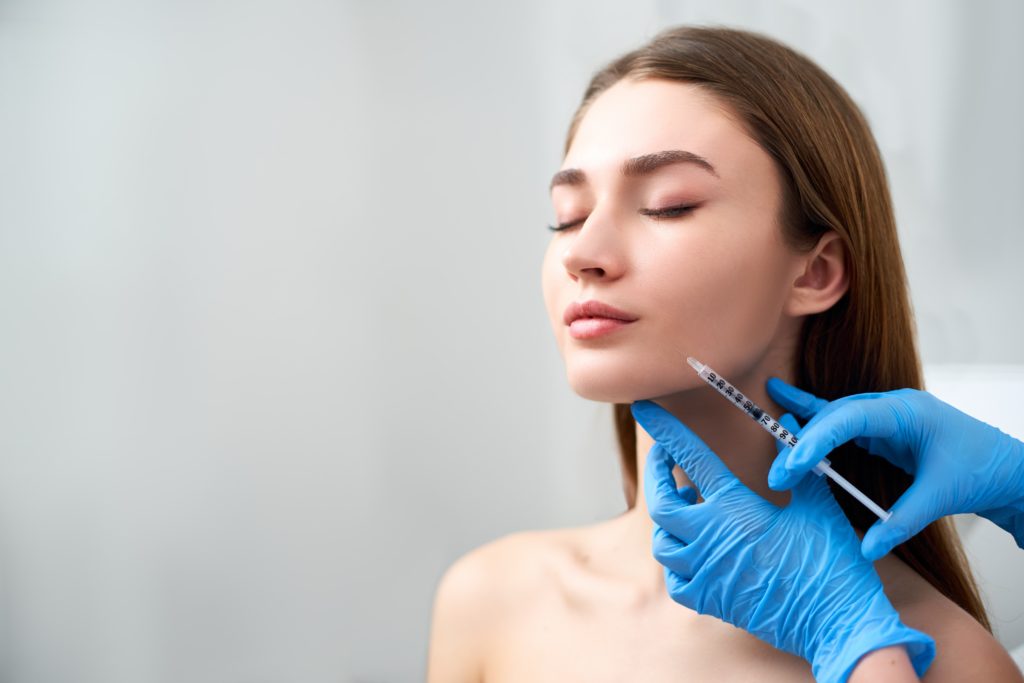
Skin is the largest organ in the human body and can be affected by many factors, such as genetics, lifestyle, environmental conditions and age. As we enter our 40s, the skin begins to lose volume, leading to wrinkles and lines.� Dermal fillers are a non-surgical way to improve the appearance of aging skin, lines and wrinkles. They are minimally invasive treatments that involve injecting hyaluronic acid gel or other fillers into deep layers of skin (dermis) under your facial tissue.� The filler can help restore volume to areas where it has been lost due to age-related changes or illnesses such as acne scarring or rosacea. What is Dermal Filler? Dermal fillers, also known as injectables, are medical devices used to enhance facial tissue’s structure and volume. They can help reduce the appearance of deep wrinkles and lines and restore fullness to lips and cheeks.� Dermal fillers come in various formulations with varying active ingredients, so not all dermal fillers are created equally. Your dermatologist will work with you on choosing which is best for your unique needs�and together, you can decide if dermal fillers are suitable for you. Dermal fillers are medical devices used to give volume and fullness to the skin. Dermal Fillers are made of hyaluronic acid and can be injected into wrinkles and folds in your face or other areas where you have lost volume. Dermal fillers can also be used for lip augmentation, breast enhancement and more. Dermal fillers are not permanent; they will gradually dissolve over time. Various dermal fillers are available, and each offers different benefits. The active ingredient in dermal fillers is the substance that causes the dermal filler to take effect. The active ingredients may be synthetic or natural substances, depending on what you’re looking for in your filler.� For example, hyaluronic acid is a natural ingredient found in your body’s connective tissue and has been used for years as an injectable filler by doctors worldwide. What is the active ingredient in dermal filler? Although there are many types of dermal fillers, the active ingredient is usually one of the following: Collagen: This substance is derived from bovine or porcine sources and injected into the skin to help restore volume. It’s been used for decades as a natural way to treat wrinkles and fine lines. Hyaluronic acid: A naturally occurring sugar in our bodies, hyaluronic acid can be found in some fillers that claim to help with anti-aging by promoting collagen production and plumping up fine lines around the eye area (crow’s feet). Polylactic acid (PLLA): This synthetic version of hyaluronic acid has also been shown to improve skin elasticity while reducing fine lines around the mouth area (nasolabial folds). Polymethylmethacrylate (PMMA): One of several acrylic derivatives used as an alternative option for patients who aren’t candidates for other types of dermal filler injections due to allergies or other issues such as sun sensitivity; PMMA injections have also been shown effective at treating acne scars How is dermal filler administered? Dermal fillers are injected into the skin. The procedure is done by a doctor or nurse and lasts about 15 minutes. Most patients feel little to no pain, though some may experience mild discomfort at the injection site. After the treatment, you can return to your routine immediately; however, we recommend avoiding exercise or strenuous activity for 24 hours so your body can absorb the filler properly. The Benefits of Dermal Fillers Less invasive compared to surgery Dermal fillers are an excellent option for people who want to improve their appearance but are not ready for surgery. Dermal fillers can be injected into the skin to plump up wrinkles and folds, creating a smoother look. They’re also less invasive than surgery and produce results that last longer than creams or lotions you apply topically. No downtime after treatment The results of dermal fillers are immediate, so there’s no need for any recovery time. This means you can resume your normal activities immediately after the treatment and won’t have to cancel work or appointments for several days. There is no downtime at all. As long as you follow your practitioner’s post-treatment instructions, there should be little pain associated with dermal filler injections. Shorter recovery time than surgery No surgery required Quicker recovery time than surgery No downtime and minimal discomfort Safe and non-surgical. Dermal fillers are a safe and non-surgical way to improve the appearance of your skin. They’re also an excellent alternative if you don’t want to go under the knife for cosmetic procedures like liposuction or facelifts. Dermal fillers consist of hyaluronic acid, which is naturally present in our bodies and helps give us a healthy glow by keeping our skin hydrated. Dermal fillers are made from these same ingredients; they’re just injected into targeted areas using a needle so that they can add volume to sagging areas such as cheeks or lips (or even reduce wrinkles). They are a non-surgical way to improve the appearance of aging skin, lines and wrinkles. Dermal fillers are injected into the skin to improve the appearance of aging skin, lines and wrinkles. They can be used on all areas of the face, including: The cheeks (to lift them) The skin around the mouth (to plump it up) Between eyebrows (to smooth them out) Conclusion People must understand the benefits of dermal fillers so they can make an informed decision on whether or not they should have this procedure done. Although there is some discomfort during treatment, most people find it to be tolerable and well worth it in the end. Aiyana Aesthetics is a full-service dermatology clinic focused on helping our patients achieve the best skin possible. We offer various services, including dermal fillers, facials and peels, laser hair removal, and more. Our expert staff members are here to help you reach your goals.
What are the Benefits of Microneedling?

Microneedling is an excellent way to improve your skin. It has been said that microneedling is a “game changer” in skincare. It’s not just for wrinkles, either: This treatment can also clear up acne scars, acne itself, and even stretch marks. As if that wasn’t enough, microneedling can also help boost collagen production and reduce pore size! But what is it? How does it work? And how safe is it? Here’s everything you need to know about microneedling: Benefits of Microneedling Improve the Appearance of Acne Scars Acne scars are caused by inflammation, which causes the collagen and elastin in your skin to become damaged. This can result in deep or shallow acne scars. Microneedling can improve the appearance of both types of acne scars because it stimulates new collagen production and helps tighten skin pores, thus reducing the redness associated with active acne lesions.� Additionally, microneedling also works as a treatment for acne itself�it has been shown to reduce inflammatory lesions by increasing blood flow and decreasing sebum production (which clogs your pores). So while microneedling won’t cure your pimples forever, it can help make them look better! Clear Up Pore Size, Uneven Skin Tone, and Stretch Marks Microneedling can also improve the appearance of your skin. It can clear up pore size, uneven skin tone, and stretch marks. You’ll need to get microneedling done at a spa or dermatologist’s office to treat these issues.� The procedure is fast and only takes about 15 minutes to perform�plus, there are no side effects! The results will show up after several weeks or months of this treatment, depending on your condition. Microneedling can Help with Photodamage. Photodamage is caused by the sun. It can be in the form of a burn or a tan, but either way, it leads to skin damage. This damage manifests in wrinkles, brown spots, and other signs of aging. Microneedling can help with these issues by increasing collagen production, reducing inflammation, and soothing the skin. Boost Collagen Production Collagen is the main structural protein in the body, and it helps to keep skin firm, smooth and healthy-looking. Microneedling can also increase collagen production by stimulating your body’s natural healing process, resulting in a more youthful appearance. Painless Compared to Other Treatments The needles used in microneedling are so tiny you probably won’t feel them. The needles don’t even puncture your skin�they pierce the top layer of your epidermis and create tiny channels that stimulate collagen production and improve circulation. Because microneedling doesn’t cause bleeding or scarring, this treatment can be done on all skin types: fair or dark, dry or oily, young or old. How to Take Care of Yourself after Microneedling Procedures While microneedling can be performed safely at home, taking precautions after the procedure is important, so you don’t risk scarring or infection. Here’s what you need to know about proper post-procedure care: Keep Your Skin Moisturized To care for your skin after microneedling, you should moisturize it. Your doctor will likely recommend a specific moisturizer to apply after the procedure. Be sure to follow their instructions, recommendations, and any additional information they may have given you regarding the proper care of your skin post-procedure. How long do I wait before applying moisturizer? The length of time between your microneedling treatment and applying a moisturizer depends on how sensitive your skin is and what type of procedure was performed on your face or body. It is generally recommended that individuals wait at least 24 hours before using any kind of skincare product (such as cleanser or toner). Still, this time frame may be shorter if your doctor recommends it. How often should I use a moisturizer? The frequency with which people need to apply their preferred facial lotion or body cream will vary based on factors such as climate and humidity levels where they live�but generally speaking, most cosmetic professionals recommend at least twice daily application (morning and evening) when starting out after a microcurrent session due to its high efficacy rate in treating dryness issues like flakiness associated with exfoliation processes like peels etc. Wear Sunscreen Your skin is more sensitive to the sun after microneedling, so it’s important to protect yourself from damage. The American Academy of Dermatology recommends wearing sunscreen daily, especially if you live in an area with strong sun. Apply sunscreen for at least 30 minutes before going outside. This allows enough time for the SPF (sun protection factor) to fully absorb into your skin and begin protecting you from UV rays. Choose a broad-spectrum sunscreen with an SPF of at least 30; it helps protect against both UVA and UVB rays. Use 1 oz (2 tablespoons) of sunscreen to cover your entire body�this amount should be plenty for most people but could vary depending on your size and activity level during application. Avoid Sun Exposure for at least 48 Hours After Your Procedure. Avoid sun exposure for at least 48 hours after your procedure. Sun exposure can cause your skin to become irritated and inflamed, which can lead to infection. In addition, the skin is more sensitive immediately after microneedling and may react negatively if exposed to UV rays. Wear sunscreen every day, even on cloudy days (and be sure it’s a broad-spectrum sunscreen that protects against both UVA and UVB rays). If you wear makeup or sunscreen with SPF in it daily, use an additional layer of protection when outside during daylight hours.� Wearing a hat or other headgear is another way to protect the face from the sun’s damaging rays when going outdoors or being active outside during daytime hours (for example, biking or hiking). Avoid Touching the Treated Skin� It’s best to avoid touching the treated skin with your fingers or hands until the skin has healed. If you do touch it, wash your hands with soap and water immediately afterward. Don’t pick at the skin, rub it or scratch it (even if it is irritated). Don’t Pick at your Skin You should avoid
Is Kybella Treatment Painful?

The appearance of a double chin can affect confidence. It increases one’s insecurities by how this fat ruins your best appearance. With so many treatments becoming increasingly popular, it’s hard to find the best treatment for reducing fat, especially “double chin.” As one of the best choices, Kybella is considered to be effective in treating this condition. The procedure targets the fat below the chin but can also be used in other body parts as investigated after experiments and research. To further improve your knowledge about Kybella, we provide you with all information in this article. Find out if it’s painful or not! What Is Kybella? First, we should know what Kybella is. It is a new treatment that the Food and Drug Administration has approved for reducing the appearance of a double chin. Also, it’s a non-invasive technique that allows you to return to your normal activities on the same day. Kybella is a prescription injection used to treat moderate to severe fat below the chin. It can also be called deoxycholic acid, which is a non-surgical alternative to liposuction. These injections work by destroying fat cells in the area or areas that are treated. It provides long-lasting results as these cells cannot accumulate fat after being destroyed. If you exercise and have a healthy diet, you can get Kybella for the best results. It mostly treats fat deposits in the submental area. But, it is proven that Kybella can now get rid of fats from lower buttocks, bra bulges, lower bellies, inner knees, and armpits. How Does Kybella Differ? Kybella is considered an alternative to liposuction, but how does it differ? Liposuction uses surgery to remove fat cells, make you lose weight, and can be used in different body parts. However, it is only sometimes practical, safe, and painless for everyone. Compared to liposuction, it has no downtime, so you can resume running errands immediately after the treatment. The procedure takes at most 15 minutes and can be done in-office without anesthesia. It is also practically safe and less painful than liposuction, but it does result mainly in the chin. Kybella Procedures In treating submental fat, Kybella injection is administered into the fat cells under your chin and around your neck. The deoxycholic acid it contains then destroys the fat cells that make up this tissue. The tissue will then be destroyed and dissolved and thus can be released through urine or stool. The procedure takes less than minutes and can be done in your doctor’s office. Before the treatment, you will be asked if you are experiencing any conditions. After the treatment, you will feel discomfort but only for a few hours or days. What are the benefits of Kybella? Here are the benefits of if you choose Kybella: Non-surgical procedure to remove double chin It is an alternative for getting rid of the fats under your chin without using a knife. If you are afraid of surgery, then Kybella might be for you since it is a non-surgical procedure. The acid content destroys fats. Quick and easy During the procedure, Kybella is considered painless, and some patients say that they only feel a slight stinging sensation when it is injected. The entire treatment usually takes about 15 minutes, so it is quick and easy. Follow your doctor’s instructions after the procedure; you can rest or do your activities after the procedure. Safer and More Effective In comparison with liposuction and abdominoplasty, Kybella is advantageous because it is safer. No severe scars will be left because there are no incisions. Also, you don’t have to worry about infections or allergic reactions. Effective and Permanent Results The results of Kybella treatment can be apparent after just one session, but it may take up to 6 months. Nonetheless, it is best that you go for additional sessions to remove this stubborn fat fully. Worry not, as Kybella is really effective; you need to be patient. The results are also permanent! Side Effects and Potential Risks of Kybella Kybella, like any other procedure, can give side effects and potential risks. Kybella may cause swelling or bruising at the injection site, but this usually resolves within a few days after treatment. You can also experience reactions such as itchiness and redness temporarily. Is Kybella Considered Safe? Since FDA-proven Kybella, it is considered safe and effective. In fact, it is the first non-surgical procedure that acquires such regulatory approval. It’s also been proven to reduce double chin and other fats from different body parts. Is it Painful? Kybella is less painful than any other treatment, but it is not guaranteed that you will not experience any pain. The safe answer is that this pain won’t cause you to become bedridden, and it is only mild. This is only caused by the swelling or bruising at the site of injection, but this can be resolved in a few days. Nevertheless, your doctor might provide instructions to ease the pain, and you should follow these. Conclusion Kybella is the best option if you do not want surgery or a knife. The procedure is quick and safer, so it is painless. After the treatment, you can feel less to no pain at all and can still perform your activities immediately. So, did you find out if it is painful or not? The answer is not because it does not give too much pain, but only a mild feeling that you can still resolve. Aiyana Aesthetics is here for you to make you feel safe and painless. They offer a wide range of products and services for your needs.� Of course, they also provide the best Kybella treatment you’ve ever wanted. With Aiyana, you can have that volume perfect for chinning up and turning the heads of whoever you face. Walk around confidently and smile!
Is Chemical Peel Safe for the Skin?
So, you’re thinking about getting a chemical peel? This article will answer some of your questions and concerns. First off all-, do not let the name “chemical” fool you; these treatments use natural products like apple cider vinegar or honey instead!� But more importantly for our topic: Yes, they are safe on the skin in most cases (although there can be risks if someone has sensitive/allergic reactions).� What is a Chemical Peel? A chemical peel is an effective state-of-the-art skin resurfacing treatment that helps enhance your skin quality and texture. The chemical solution is applied to the skin and works by exfoliating the outer layer of the skin.� Depending on the desired result, chemical peels can be performed at varying depths. A superficial peel only removes the outermost layer of skin, while a deep peel penetrates deeper into the skin.� Types of Chemical Peels Chemical peels are a popular cosmetic treatment primarily used to enhance skin appearance. Three main types of chemical peels are light, medium, and deep.� Depending on the desired results, chemical peels can be performed at various depths. In general, deeper peels produce more dramatic results, but they also carry a greater risk of side effects. Light Chemical Peel Light chemical peels are also called superficial peels. They use mild acids, such as glycolic acid, lactic acid, or fruit acids, to remove the face’s top layer of dead skin cells. This type of chemical peel can be done in a salon or spa by someone with a license. Superficial peels are considered the least aggressive type of chemical peel and have the shortest recovery time. In general, light chemical peels are used to: Improve the appearance of fine lines Treat mild acne scars Reduce hyperpigmentation (dark spots) Enhance skin tone Improve rough skin texture� Light chemical peels typically cost between $100 and $500.� Medium Chemical Peel There are many benefits to getting a chemical peel, particularly a medium chemical peel. Medium chemical peels can improve the appearance of wrinkles, fine lines, and age spots and provide general skin rejuvenation. They can also help to treat acne scars and sun-damaged skin.� In addition, chemical peels can stimulate collagen production, producing firmer, more youthful-looking skin. And because they help to slough off dead skin cells and promote cell turnover, chemical peels can also provide a radiant and healthy complexion. Deep Chemical Peel A deep chemical peel can provide more dramatic results than a superficial peel, but it has a higher risk of side effects and requires more recovery time. Some of the benefits of a deep chemical peel include the following: Smoother, softer skin texture Increased collagen production Decreased wrinkles and fine lines Reduced age spots and acne scars Brighter, more even skin tone If you are considering a chemical peel, be sure to consult with a board-certified dermatologist or plastic surgeon who has experience performing this procedure. Downtime in Getting Chemical Peel Chemical peels are an excellent remedy to improve your skin quality, but it’s essential to know that there will be some downtime involved. After your peel, you can expect your skin to be red and sensitive for a few days.� You may also experience some peeling or flaking. It’s essential to keep your skin hydrated during this time by using a gentle cleanser and applying a moisturizer regularly. It would help if you also avoid sun exposure and wear sunscreen outside.� Chemical peels can give you beautiful, healthy-looking skin, but it’s essential to be prepared for some downtime afterward. What to Expect During a Chemical Peel� A chemical peel is usually performed in a doctor’s office or outpatient center. The entire procedure takes 30 minutes to 1 hour.� First, the doctor will clean your face with an antiseptic solution. Next, they will apply a chemical solution to your face. You will feel a burning sensation during this step. The doctor will then remove the solution after 1-2 minutes and neutralize any remaining chemicals on your face with water or another solution.� Afterward, your face will be covered with a dressing that needs to stay on for 3-5 days. You may also be given an ointment or cream to apply to your face during this time. It is essential to keep your face moisturized during this time, so your new skin can heal properly.� You should avoid sun exposure during this time as well. After 3-5 days, you can remove the dressing and wash your face with a gentle cleanser. Your new skin will be sensitive during this time, so it is essential to use sunscreen when you go outside.� Why do you Need to Choose the Right Chemical Peel? A chemical peel is a treatment in which an acidic solution is applied to the skin, resulting in the exfoliation of the outermost layers. Chemical peels can improve the appearance of wrinkles, scars, and pigmentation irregularities.� When choosing a chemical peel, selecting the correct peel for your skin type and concerns is essential. For example, sensitive skin may benefit from a more gentle peel, while those with deeper wrinkles may require a more aggressive peel.� Selecting a chemical peel formulated for your specific skin type is also essential, as this will help ensure optimal results. Ultimately, choosing the right chemical peel is an important decision that should be made with the guidance of qualified skincare professionals. Conclusion A chemical peel is a technique that helps improve the appearance of your skin by removing damaged outer layers of the skin, revealing newer, healthier-looking skin underneath. Three different types of chemical peels are distinguished by how deep the chemicals penetrate your skin; light, medium, or deep peels are more effective than the last but also result in more recovery time needed before seeing results. The next time you consider a�chemical peel, think about�AIYANA Aesthetics. AIYANA aestheticians have a fantastic ability to transform your skin with the latest cosmetic technology. Our aestheticians will give your skin the perfect balance of hydration and protection that it needs to heal comfortably
I Got A Lash & Brow Lift – Here’s How The Professionals Do It
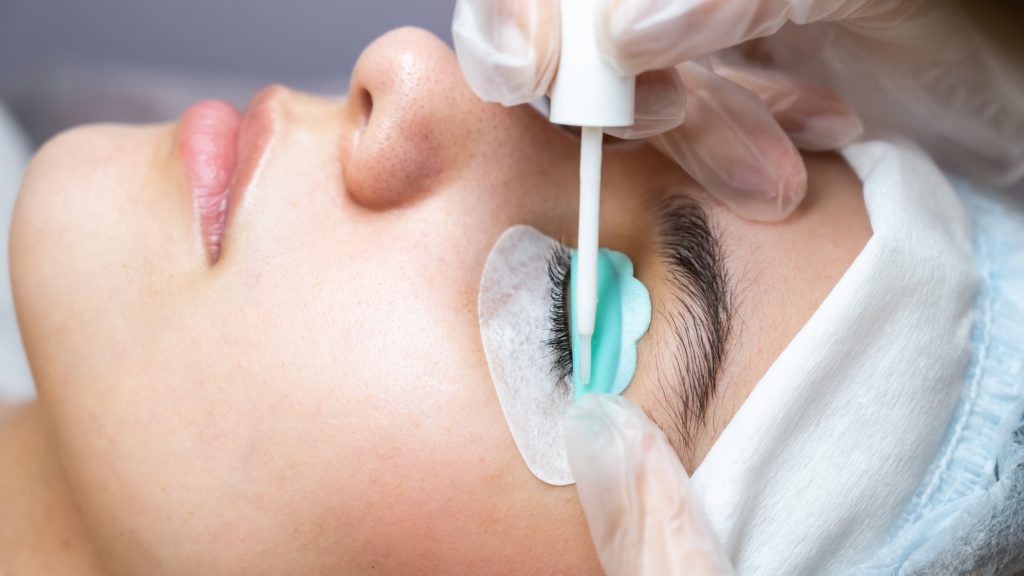
Is it a big deal to do your brows and curl your eyelashes every morning? If you want fuller brows and longer lashes but don’t want to undergo a more invasive procedure, we offer a solution for you. Lifting lashes can safely and effectively enhance their length, curl, and thickness without damaging the follicles of the eyelashes. Brow laminating is the way to go if you want thicker, stronger, and more firmly set eyebrows without using razors or needles. The two procedures are functionally very similar to getting a perm in that they both employ a chemical solution to modify the hair’s position permanently. I myself got a�lash and brow lift�and enjoyed it! If you are pondering getting one for yourself, here’s what you should know about them and what to expect.� What Is Eyelash Lift Without needing mascara or extensions, a lash lift can provide thick, curled lashes. Making morning makeup application faster, this treatment gives your eyelashes a permanent wave. This technique uses a chemical treatment to curl and thicken the eyelashes. How It Works After a thorough cleansing, the eyelashes are raised with silicone pads, positioned on the eyelid, and combed into place. The eyelashes’ follicles and keratin are then chemically dissolved with a lotion. The exposure time varies between 12 and 20 minutes, depending on the conditions. It takes anywhere from 12 minutes to 20 minutes for the new outlines to become permanent, after which a second lotion is applied. Now that the eyelashes have been dyed, you can take off the silicone pads. Preparing For A Lash Lift Before your operation, wash your face thoroughly and remove all makeup, especially mascara and false eyelashes. At least 24 hours before your prearranged appointment time, please do not use Latisse or any other lash serum. Finally, if you wear contact lenses, remove them before your scheduled visit. Avoid After Procedure Avoid getting any water in your eyes. Avoid putting on any eyeliner or mascara. Avoid sweating Avoid entering saunas Avoid using anything containing oil. Avoid rubbing your eyes. Wait at least 24 hours after getting your eyelashes done before exposing them to moisture of any type. When you get your lashes done, you should wait at least 24 hours before letting them get wet. This is because the lash pH level returns to normal in the hours following a lift. You can undo your treatment’s chemical change by simply adding more water, mascara, etc. Similar to getting your hair cut and styled at a salon. Avoid getting caught in a downpour after leaving the salon, as water will ruin your freshly curled hair and your newly lifted eyelashes. How Long It Lasts If you take adequate care of your lashes after getting a lash lift, you can add another 6-8 weeks to their lifespan. Following the instructions mentioned earlier for the first 24 hours after your treatment will extend its useful life. You should also always brush your eyelashes while standing up, especially after you’ve been in the shower or otherwise exposed to water. What Is Brow Lift Brow raising is comparable to lash lifting in that the eyebrows are reshaped and fixed upward semi-permanently. The popular process prevents tiny hairs from shedding and fills in the eyebrows for a fuller, more expressive look. You can forego your regular routine of applying brow pencils and brow gels. How It Works Removing excess oil and dirt from the eyebrows is the first step. After positioning the brow hairs, a water-soluble adhesive is used to hold them. There are three distinct procedures used, each lasting about 10 minutes. Brow tinting could give you an intimidating appearance in this situation as well. One final step of the procedure is a second eyebrow washing. Having an appreciation for aesthetics is essential. Ultimately, your eyebrow hair type and density will determine the most effective correction method. If the proportions are correct, you can shape your brows into anything from an entire, bushy arch to a softly arched one. Preparation To get ready for your brow lamination, we recommend that you: You shouldn’t use retinoids, AHAs, or face exfoliants in the week or so coming up to your brow lamination. Keep your brows untweezed for at least a week before coming in for lamination (although a brow wax is an optional extra). Please do not come to the appointment with any form of makeup since there will be a test. Avoid After Procedure Avoid getting your brows getting damp (avoid the shower & bath) Avoid entering the sauna. Avoid using any items that contain oil. Avoid messing your brows with makeup, makeup remover, or thick creams. Make sure you avoid resting your forehead directly on the mattress (we know, easier said than done for our stomach sleepers) Lamination treatments, like lash extensions, require that you avoid getting any moisture on your brows for the first 24 hours. After shaping and moisturizing your brows with a selection of lotions and a permanent gel, we laminate them for lasting results. The eyebrows may not retain their new shape if you get them wet too soon after we apply these treatments. How Long It Lasts A brow lift typically lasts six weeks (depending on aftercare). You can increase the effectiveness and duration of your therapy by avoiding the “Don’ts” stated above, which should be followed strictly in the first 24 hours after your procedure. After your treatment, use a moisturizing balm or castor oil on your brows once a day for the first 48 hours. Brush your brows while upright to ensure they retain their new shape after getting them wet, such as in the shower. Takeaway Both treatments are worth the hype they receive because they enhance your lash and brow appearance for a minimum of four weeks after they are performed. The treatment takes 45 minutes, significantly saving time and great value. If you try lash or brow lifts and don’t like the results, you won’t have to commit to them permanently because
Sculptra: Effectiveness Of Skin Rejuvenation Procedures

Are you satisfied with your facial features whenever you check yourself in the mirror? After a whole night’s rest, do you still feel more drained and exhausted than before? You may have started to see wrinkles, fine lines, and a general reduction in facial volume, all of which can make a person seem older than they are. That’s why it is essential to take care of your skin using anti-aging products, which can help improve your skin’s texture and reduce wrinkles and fine lines. However, there comes the point when anti-aging products are no longer effective in reversing the effects of aging on the body. When something like this occurs, you will need a more straightforward approach, such as cosmetic treatments. The next step to address these signs of aging better is to undergo cosmetic treatments such as Sculptra. However, before you consider having treatment with Sculptra, our medical clinic believes that it is only fair that you first learn everything there is to know about the treatment before considering having treatment with Sculptra. If you are interested in learning how Sculptra can be of assistance to you, then you should read this blog. What Exactly Is Sculptra Treatment? An innovative anti-aging treatment known as Sculptra has the capability of changing the way a person’s face looks. Sculptra is in a mile of its own compared to other current dermal filler products. Injections of dermal fillers can be performed in several areas of the face to improve facial features and fight the effects of aging. Hyaluronic acid is the component that gives dermal fillers their noticeable effects. Even though these fillers produce results immediately, their shelf life is only from six to eighteen months. Hyaluronic acid has been replaced by the filler poly-l-lactic acid (PLLA) in the product Sculptra (HA). PLLA is used to make changes to the face’s structure and nature to improve the skin’s appearance in some regions of the face, such as the jawline. PLLA is the common name for the synthetic polymer known as PLLA. On top of smoothing the look of wrinkles and fine lines, Sculptra can also help revive volume to the face lost over time. All of these problems can be cracked with just one solution, and that solution is called Sculptra. How Sculptra’s Primary Ingredient Helps Fight Off Aging Your body’s collagen and elastin are two of the most important structural proteins, but our bodies naturally cultivate less collagen and elastin as we age. Elastin and collagen are two proteins that contribute to the appearance of our skin. These proteins are accountable for the skin’s elasticity, youthfulness, and firmness. Consequently, age diminishes our body’s capacity to produce collagen and elastin. In recent years, advances in cosmetic treatments, such as the inclusion of the PLLA ingredient, have been shown to facilitate the synthesis of collagen and elastin, which enables the skin to return to its original youthful form. What’s more, there is proof to indicate that these procedures improve the skin’s overall appearance. As a direct consequence of these significant developments in aesthetics, the outcomes of cosmetic treatments are extremely impressive despite not needing any surgical intervention.� Treating skin conditions and facilitating collagen regeneration are two of the most common applications of the Sculptra product. Because of its ability to encourage the production of new collagen, Sculptra can help you achieve the appearance of being several years younger than you are. The production of collagen has many benefits, including those that are immediate and those that are long-term, including those that are anti-aging. How Does Sculptra Procedure Work? During the first part of your evaluation with a trained provider, you will be questioned about any medical conditions you have as well as any allergies you have. When your provider is better informed about your medical condition, they can effectively implement a tailored approach for your particular circumstance without running into any unintended side effects. Before beginning your first Sculptra treatment, your healthcare provider will evaluate your skin to determine the best injection sites and then disinfect the surrounding area. A local anesthetic cream can be spread if any pain needs to be managed. After that, your healthcare provider will administer several very small injections beneath the surface of your skin. You should be able to return to your recurring activities once the treatment is finished. Your provider will provide you with any necessary additional special instructions for your aftercare. The Sculptra procedure is so straightforward that it does not call for any surgical intervention; all that is required is a few injections. Sculptra is a dermal filler. The procedure of dermal fillers is usually done by specialists and physicians experienced in performing this medical treatment to ensure proper results to achieve the best skin appearance possible. The better your provider is at their work, the better results you can expect from the treatment. Think of it as something similar to a makeup artist; the better they are, the better they can enhance your facial features through makeup. The same holds for your Sculptra treatment.� Who Should Consider Sculptra? People whose skin has experienced signs of aging, such as thin skin, fine lines, wrinkles, and sagging skin, and have realistic expectations, may be good fits for this treatment procedure. Likewise, you should be in excellent health and not suffer from skin conditions. Additional aspects might be taken into account as well. You mustn’t use the product Sculptra if you have ever had an allergic reaction to any of its primary ingredients. If you have ever had such a reaction, you should avoid using the product. How Long Does Sculptra Last? Sculptra can be used for various purposes, ranging from smoothing out wrinkles to boosting the appearance of thin skin. Depending on the person, the treatment’s effects may remain between two and five years after it has been completed. The most crucial factor to ponder is how quickly your body metabolizes the ingredients. Takeaway Sculptra is a versatile dermal filler that can make you
What Are The Side Effects Of Bioidentical Hormone Replacement Therapy (BHRT)?

Hormones regulate a significant proportion of your body’s necessary functions. Much like software in a computer, they serve as a blueprint for how cells in the body will interact with one another. Anything from digestive process and growth to cravings, libido, moods, and the immune system is integrated into these systems. As a result, even a subtle imbalance in your hormone levels can significantly impact your overall health and well-being. If your hormone levels drop or are out of whack, hormone replacement therapy may be an option for you to consider. BHRT, or bioidentical hormone replacement therapy, has recently gained much attention as a treatment option for traditional hormone replacement therapy. It claims that it is a “natural” treatment for hormonal issues. As a result, how does bioidentical hormone replacement therapy differ from other hormone replacement therapies, and what are its side effects? What Is Bioidentical Hormone Replacement Therapy (BHRT)?� You can think of these hormones as bioidentical because they have been produced in a way that allows them to try to mimic hormones produced by the glands in your body. Taking bioidentical hormones may help those who suffer from symptoms related to low or unbalanced hormone levels. If you’re a woman going through menopause or pre-menopause, you will likely experience this. The endocrine glands are responsible for producing chemical substances known as hormones. They serve as messengers, relaying instructions to other parts of your body about how and when they should carry out their duties. The body’s various organs, tissues, and processes are all influenced by hormones in one way or another. You may have symptoms that make it tough to get through your day if you have even the tiniest imbalances in your body. Medical professionals may recommend hormone replacement therapy to patients experiencing these symptoms. Using hormone replacements derived from plants and processed is referred to as “bioidentical hormone therapy” (BHRT). What Is BHRT Made Of? Estrogen, progesterone, and testosterone are the therapy’s three most commonly prescribed bioidentical hormones.� A few bioidentical hormones have already been prepared for medical prescription by pharmaceutical companies. The Food and Drug Administration (FDA) in the United States has approved certain types of bioidentical hormones. Using a doctor’s recommendation, a pharmacist can custom-make bioidentical hormones for a patient. This is a compounded version of the bioidentical hormones (or mixed). The FDA has not tested or authorized the composite forms of the medication. Even though they are commonly marketed as “natural” alternatives, plant-based products are no longer natural once processed. Because they’ve been tampered with in a lab, these items can no longer be considered natural. Risks Of BHRT It’s possible that tampering with your hormone levels will adversely affect your health. Certain conditions have been linked to the use of hormone replacement therapy, such as: persistent heart conditions breast cancer, but it affects women more frequently than men strokes resulting from blood clots issue with gallbladder That’s just HRT; BHRT has its own risks and side effects, mainly as the body adjusts to the initial hormone dose. A few of the possible side effects of BHRT include the following: sudden mood swings chronic fatigue frequent breakouts of acne in women bloating increased weight BHRT and other hormone replacement therapies do not work for many people. Potential consequences and side effects may vary depending on a woman’s medical history. Before considering the therapy, speak with your doctor about the advantages and disadvantages of any hormone replacement therapy.� How BHRT Can Help You The treatment isn’t all doom and gloom. Since this therapy was created for a specific purpose, it makes sense to use it. The use of bioidentical hormone replacement therapy (BHRT) becomes more common as people get older and their hormone levels drop, particularly in menopausal women. Hormone levels have fallen, and it is used to help mitigate moderate to severe symptoms of menopause, such as: memory loss problems with sleep and weight gain erratic moods sweating at night� pain during intercourse BHRT can help alleviate symptoms while reducing the risk of developing diabetes, cataracts, and tooth loss. According to some of the available evidence, it can potentially lessen the appearance of wrinkles and improve the skin’s overall depth, hydration, and elasticity. Discuss Your Options With A Provider Medical professionals closely monitor patients receiving bioidentical hormone therapy. The objective is to reduce symptoms as quickly as possible while using the least amount of medication. Medical professionals closely monitor patients receiving bioidentical hormone therapy. The aim is to treat symptoms as soon as possible while using the least amount of drugs. Depending on your doctor, you might undergo routine tests to measure the hormone levels in your blood, urine, or saliva. Your doctor may alter your dose based on how your hormone needs are changing. The FDA advises against using hormone levels to determine how much bioidentical hormone therapy to give women because normal hormone levels change daily. So be prepared for a lot of tests to come your way. Is It Worth It Despite The Side Effects? Yes, for some patients, they are worthwhile. Depending on your symptoms and medical background, you’ll experience different results. The best form of bioidentical hormones for you should be discussed with your doctor. In some circumstances, if necessary, your healthcare provider might suggest that you forego using bioidentical hormones and endorse more traditional hormone replacement therapy options. Summary For those experiencing symptoms linked to low or unsteady hormone levels, BHRT may be the perfect treatment. However, BHRT has severe risks and side effects, so you should talk to your doctor about them. Many females should avoid hormone replacement therapy. Start with the lowest dose that will offer the most significant results in the shortest time if you decide to use BHRT. Consider contacting us and making an appointment at AIYANA Aesthetics before choosing your bioidentical hormone replacement therapy. With the help of
What Are The Risks Of Bioidentical Hormone Replacement Therapy?

Hormones regulate the majority of your body’s essential systems. They act as a design of internal interaction between cells in the body, much like software in a computer. They integrate everything from digestion and growth to appetite, libido, moods, and immune functions. So, even if your hormone levels are mildly out of harmony, they can significantly affect your health and well-being. Hormone replacement therapy is a treatment option that many people seek out when their hormone levels drop or when their hormones become out of balance. In recent years,�bioidentical hormone replacement therapy, also known as BHRT, has garnered considerable interest as a potential treatment alternative. It claims to offer a “natural” remedy for hormone-related problems. However, what precisely is bioidentical hormone replacement therapy, what are its risks, and how is it distinct from other hormone replacement therapies? What Is Bioidentical Hormone Replacement Therapy? Bioidentical hormones are hormones that have been processed in a way that allows them to imitate the hormones that are naturally produced by the glands in your body�hence the name, bio, and identical. Those with symptoms associated with low hormone levels or an imbalance in their hormone levels may find that taking bioidentical hormones is beneficial. This is common for women going through menopause or perimenopause and having symptoms associated with either of these stages. Endocrine glands are liable for producing hormones, which are chemical substances. They act as couriers, relaying instructions to other parts of your body regarding how and when they should execute their functions. Hormones affect various organs, tissues, and processes throughout the body. Even the slightest imbalances can give rise to symptoms that make it difficult for you to go about your day.� Hormone replacement therapy is one potential course of treatment that medical professionals might suggest for patients experiencing these symptoms. The term “bioidentical hormone therapy” (BHRT) refers to using hormone replacement products derived from plants and then processed. What Makes Up A BHRT? The three bioidentical hormones that are utilized the most frequently are estrogen, progesterone, and testosterone. Pharmaceutical companies have already prepared some types of bioidentical hormones for medical prescriptions. The Food and Drug Administration (FDA) approved certain kinds of bioidentical hormones in the United States. Other bioidentical hormones can be formulated specifically for a patient by a pharmacist using a prescription from a healthcare provider. These are bioidentical hormones that have been compounded (or mixed). The FDA has not conducted any tests or approved the compounded forms. When the processing of plant-based products is complete, they are no longer natural, even though they are frequently marketed as “natural” options. These products are altered in a laboratory, so they are no longer natural. Benefits Of BHRT BHRT is commonly used as people age, and their hormone levels decline, especially in women undergoing perimenopause or menopause. It’s used to boost hormone levels that have fallen and alleviate moderate to severe menopause symptoms, such as: sweating at night mood swings hot flashes Loss of memory issues with weight gain and sleep a lack of desire for sex or pain during sex BHRT can help with symptoms while lowering your risk of diabetes, tooth loss, and cataracts. It may improve overall skin thickness, hydration, and elasticity, as well as reduce wrinkles, according to some evidence. Risks And Side Effects Of BHRT As great as BHRT sounds, they are not without some caveats that you have to consider. Hormone replacement therapy, in general, has been shown to increase the risk of specific conditions and diseases, including: strokes caused by blood clots gallbladder problems chronic heart diseases Breast cancer but more common in women than in men That’s just HRT, and you can expect more side effects and risks associated with BHRT itself, especially when the body first adapts from the initial dose of hormones. The following are some of the most common BHRT side effects: More facial hair in women rapid mood swings increased weight fatigue frequent acne breakouts bloating Many people are unable to use BHRT or any other hormone replacement therapy. Depending on a woman’s health history, the potential consequences and possibilities for side effects could vary. Before starting any hormone replacement therapy, talk to your doctor about the benefits and drawbacks. How Your Provider Determines How Much Hormones You Need Healthcare providers keep a close eye on people taking bioidentical hormone therapy. The goal is to alleviate symptoms in the shortest period with the smallest dose possible. Healthcare providers keep a close eye on people taking bioidentical hormone therapy. The goal is to alleviate symptoms in the shortest period with the smallest amount possible.� Depending on your healthcare provider, you may have regular blood, urine, or saliva examinations to check your hormone levels. Depending on your changing hormone needs, your healthcare provider may adjust your dose. Because normal hormone levels fluctuate daily, the FDA advises against using hormone levels to guide bioidentical hormone therapy dosing in women. Salivary hormone levels, in particular, are known to fluctuate and have not been linked to menopausal symptoms. So expect a lot of tests coming your way. Does It Really Work?� Yes, they are effective for some patients. Contingent on your symptoms and medical history, you’ll get different outcomes. Consult your doctor about bioidentical hormones and which form would be best for you. Your healthcare provider may advise you to avoid bioidentical hormones in favor of a more conventional hormone replacement therapy option in some cases if needed.� Takeaway BHRT may be an ideal solution for people experiencing symptoms related to low or unbalanced hormone levels. However, BHRT has severe side effects and risks, so you should consult your doctor. Many women should avoid hormone replacement therapy. If you decide to use BHRT, start with the lowest possible dose that will give you the best results in the shortest period. Before deciding on your bioidentical hormone replacement therapy, consider�contacting us�and scheduling an appointment at our clinic,�AIYANA Aesthetics. Our�services�ensure that you are well informed of your decisions and how you can best use them.�
Is Microneedling Safe And Effective For Acne Scars?
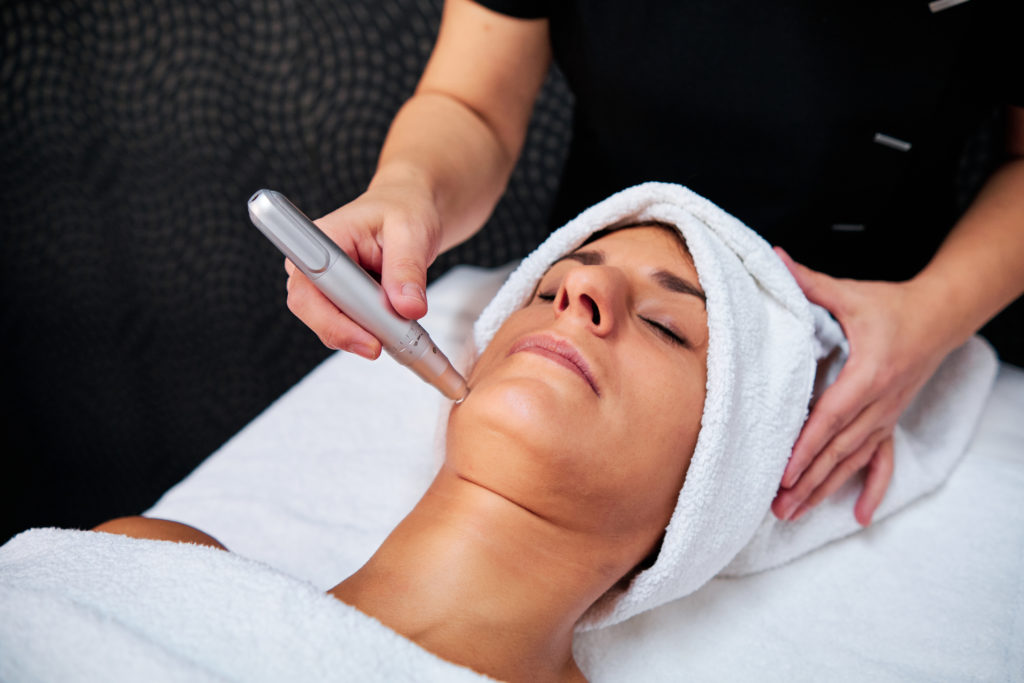
Acne breakouts are not physically harmful, nor are they severe disease symptoms. However, nobody wants acne since they ruin our facial appearance, and to top it off, they leave some scars too! Fortunately, one treatment is said to be effective against acne scars, and that is�microneedling.� Many people have acne scars around their faces and choose to live with them. But let’s be frank if they had the resources to remove acne scars on their faces, I’m 100% sure they would want to remove those scars. Who wouldn’t want a better and more appealing complexion, right? Skincare Products, Not Enough To Fix Acne Scars Many over-the-counter skin care products and remedies claim they can effectively remove acne scars. However, most often than not, they are largely ineffective, and when they do work, they barely work. Eliminating acne scars requires improving the skin layers underneath, which no superficially-applied product can do.� Likewise, there are also plenty of products that can help prevent acne breakouts. Now those are effective in what they do, but what they do is prevent, and when there are acne scars already, they can’t do much about it. To eliminate acne scars, you need to find a way to access your skin’s deep layers and work it out there.� Is microneedling the solution for these acne scars? This treatment is said to be able to pierce the skin with needles to rejuvenate the skin, but can you say the same for microneedling?� To give you better info on getting microneedling or not, we will inform you if the microneedling solution is the best for your acne scars.� What Is Microneedling? Microneedling is a tried and tested aesthetic treatment that stimulates the body’s healing processes in the skin. Depending on the clinic you choose, you can either see a roller full of pins or an oversized pen-like tool for microneedling.� Non-Invasive The procedure is non-invasive, so there won’t be any need for knives or surgical tools to open the skin up.� As the same suggests, tiny needles will pierce the skin, and the length of these needles can differ depending on which body part. Microneedling typically uses needles with a length of 0.5mm � 1.5mm on the face, but it’s around 1.5mm � 2.5mm for the neck, chest, and body. Most treatments typically use 0.5 mm or 1.0 mm to achieve optimal effectiveness.� The lengths of these needles depend on your needs, so your provider will adjust accordingly.� Popular Option Microneedling has a straightforward structure, a roller with needles or a pen-like device with detachable and replaceable needles. That makes the tool simple, easy to make, easy to maintain, and easy to operate. Of course, your provider still has to undergo training and a licensing exam to perform this procedure.� Due to its simplistic nature, it’s one of the most accessible aesthetic treatments for your waller. You don’t have to break your wallet to look good. Microneedling can help remove stretch marks and reduces fine lines and wrinkles, dark spots, sun damage, and shrink pores.� But can it fix acne scars? We’ll see.� How Does It Work? Microneedling takes advantage of the body’s healing processes to perform the rejuvenating treatment. So the needles themselves are nothing special, they are just needles, and they don’t have any formula solution on them.� So how come it rejuvenates the skin when it’s just needles? These needles pierce the skin at a specific depth and pull it out. Your provider will then move on to the following areas. That’s it; that’s what happens in microneedling.� Once the microneedling is done, your face will be filled with micro-injuries.� What The Micro-Injuries Do Creating micro-injures on the skin may seem counterproductive to rejuvenating it, but that’s precisely what we want.� To engage your body’s healing processes, your body has to recognize that wounds exist in the skin. That’s why we created those micro-injuries to create a response. Worry not; these micro-injuries are not actual wounds but simulated wounds.� If we create a wound, the body would be preoccupied with fixing a broken skin, and it may leave scars too. We want to reinforce and rejuvenate the existing skin structure, so damaging it too much won’t help. The Body’s Healing Properties The body’s healing processes for wounds are called fibroblast activity. The fibroblast activity involves fibroblast cells responsible for bringing in the proteins and other healing properties we need for skin rejuvenation. Specifically, we want the protein called collagen.� Collagen is one of the most prevalent proteins in the body’s system. It’s the protein that holds up your skin framework like scaffolding. However, due to aging and other factors, collagen production count in your skin can decrease. That’s why we can experience wrinkles, fine lines, loose skin, and other signs of aging�the collagen support structure has essentially collapsed.� So by restoring the collagen in your skin, we effectively restore your skin’s youthfulness.� Is Mirconeedling Effective And Safe For Fixing Acne Scars? Acne scars exist because when acne grows and shrinks, it throws the skin framework underneath it into disarray. While they sometimes do recover, acne scars will often happen and become an unwanted permanent feature.� So by using microneedling treatment, we can encourage fibroblast activity to fix the disarrayed and broken collagen framework in acne scars. It will be enhanced with new collagen cells to help improve the framework and set it up in proper due order.� You can simply look at before and after photos and�reviews�from your provider and see how effective microneedling is for fixing acne scars. They are very effective, and most doctors recommend you try out a microneedling treatment to treat your acne scars.� Likewise, the microneedling procedure is completely safe as long as the equipment used in microneedling is adequately sterilized.� Takeaway Contact�our clinic,�AIYANA Aesthetics, if you are interested in fixing your acne scars through microneedling. We offer�services�that help clients achieve their natural inner beauty through non–invasive means.�